
I have been coaching in the traditional sense for almost 20 years, in more recent years I noticed I was being faced with more and more clients with increasing levels of overwhelm, pressure and anxiety. As a leadership coach and facilitator, I was finding that this aspect of a client’s situation (real or perceived) was an area that I wanted to build knowledge and application. I trained and studied Applied Neuroscience and Brain Health under Dr Sarah Mackay* and now bring this insight to my coaching practice. I now have access to papers and research on how the brain works and how we can help it to change to build our mental strength and to keep it as healthy as possible. One of those papers is below and taken from a blog article of Dr Sarah Mackay.
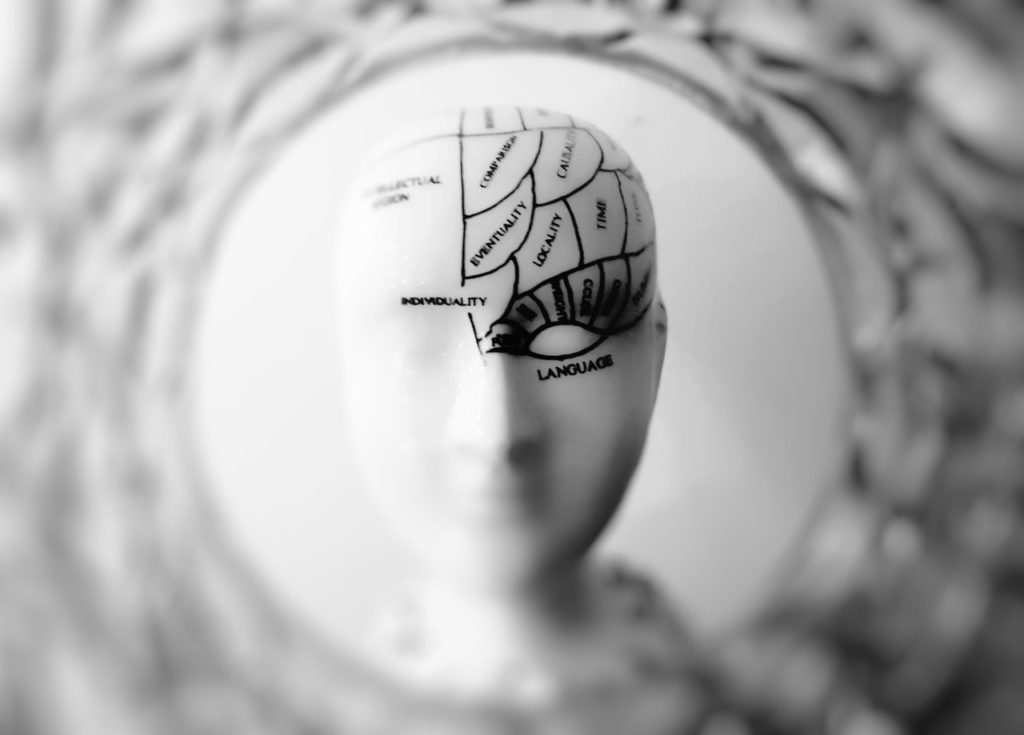
Based on Kandel’s paper, researchers at the Yale School of Medicine proposed seven principles of brain-based therapy for psychiatrists, psychologists and therapists. The principles have been translated into practical applications for coaches.
1. Both nature and nurture win.
Both genetics and the environment interact in the brain to shape our brains and influence behaviour.
Therapy or coaching can be thought of as a strategic and purposeful ‘environmental tool’ to facilitate change and may be an effective means of shaping neural pathways.
2. Experiences transform the brain.
The areas of our brain associated with emotions and memories such as the pre-frontal cortex, the amygdala, and the hippocampus are not hard-wired (they are ‘plastic’).
Research suggests each of us constructs emotions from a diversity of sources: our physiological state, by our reactions to the ‘outside’ environment, experiences and learning, and our culture and upbringing.
3. Memories are imperfect.
Our memories are never a perfect account of what happened. Memories are re-written each time when we recall them depending on how, when and where we retrieve the memory.
For example, a question, photograph or a particular scent can interact with a memory resulting in it being modified as it is recalled.
With increasing life experience, we weave narratives into their memories. Autobiographical memories that tell the story of our lives are always undergoing revision precisely because our sense of self is too.
Consciously or not, we use imagination to reinvent our past, and with it, our present and future.
4. Emotion underlies memory formation.
Memories and emotions are interconnected neural processes.
The amygdala, which plays a role in emotional arousal, mediates neurotransmitters essential for memory consolidation. Emotional arousal has the capacity to activate the amygdala, which in turn modulates the storage of memory.
5. Relationships are the foundation for change
Relationships in childhood AND adulthood have the power to elicit positive change.
Sometimes it takes the love, care or attention of just one person to help another change for the better.
The therapeutic relationship has the capacity to help clients modify neural systems and enhance emotional regulation.
6. Imagining and doing are the same to the brain.
Mental imagery or visualisation not only activates the same brain regions as the actual behaviour but also can speed up the learning of a new skill.
Envisioning a different life may as successfully invoke change as the actual experience.
7. We don’t always know what our brain is ‘thinking’.
Unconscious processes exert great influence on our thoughts, feelings, and actions.
The brain can process nonverbal and unconscious information, and information processed unconsciously can still influence therapeutic and other relationships. It’s possible to react to unconscious perceptions without consciously understanding the reaction.
*Dr Sarah McKay is a neuroscientist and science communicator who specialises in translating brain science research into simple, actionable strategies for peak performance, creativity, health and wellbeing.
Sarah grew up in Christchurch, New Zealand, and she completed BSc (Hons) at Otago University before heading to Oxford University for her Masters and PhD training. She sums up her thesis with the words, ‘Nature, Nurture or Neuroplasticity’. After moving to Sydney, Australia, she completed five years postdoctoral research in brain plasticity and injury research.