
• Skip to primary navigation
  • Skip to main content
  • Skip to primary sidebar

Head4Leadership HomepageHead4Leadership

Leadership and Neuroscience Coach

Email: dominique@head4leadership.co.uk
Call: 07703 564451

  • Home
  • About
    • Working with Head 4 Leadership
    • Knowledge and experience
    • Testimonials – What people say
  • Coaching Services
    • Heads Together – Leadership development workshops
  • Event speaker
  • News & blog
  • Contact

#Wellbeing

26th February 2023

Is being a ‘grown up’ holding you back?

Re-connecting with your ‘inner child’ as a winning strategy in teams.

‘Babies and children are more open because, to survive, they have to learn as much as they can!’
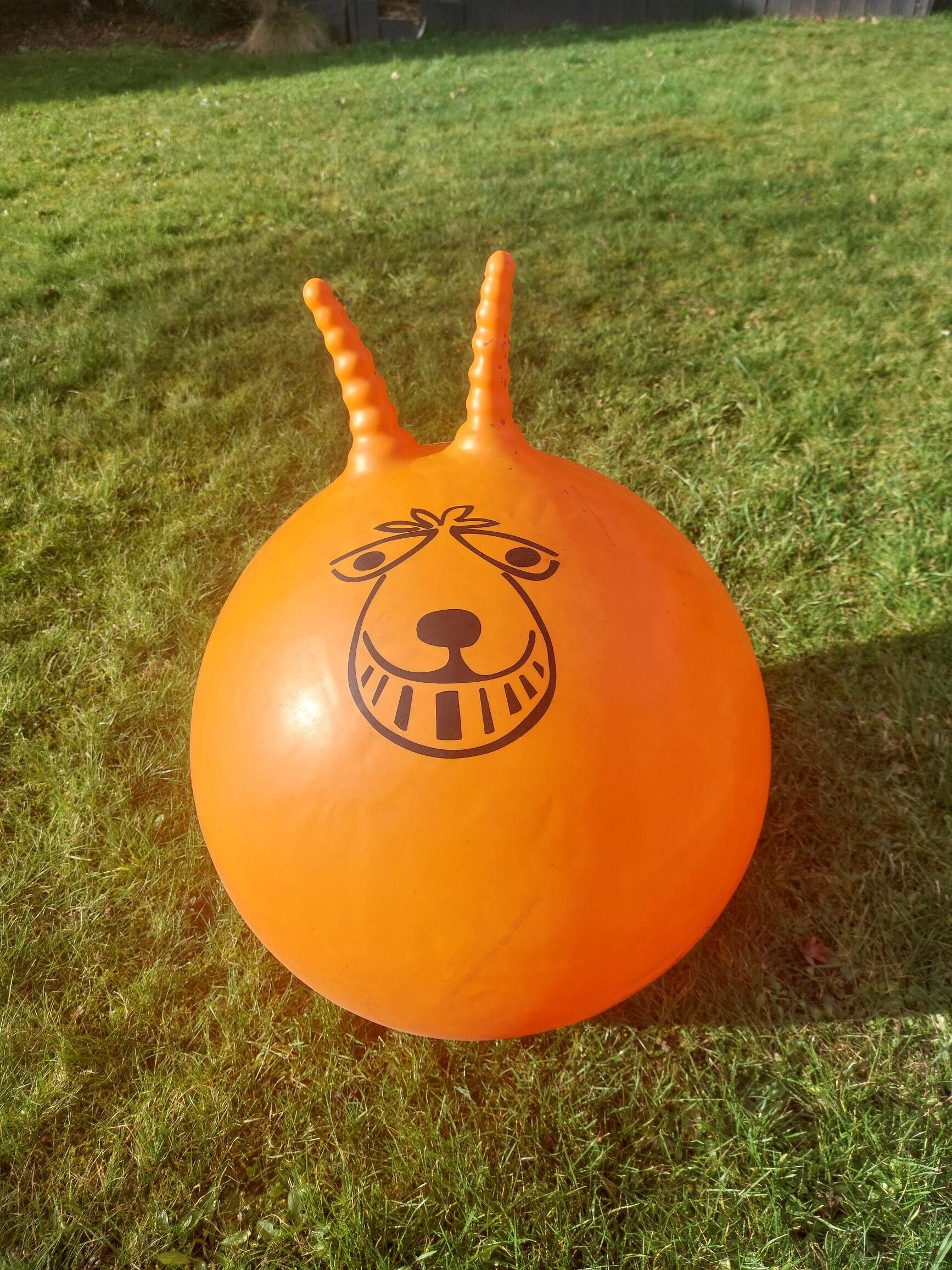
Are you just too adult?

As well as coaching, I love a facilitating team and leadership development events. The word ‘team build’ often has the impact of Marmite! Generating a high degree of dread for what the team might be asked to do! How many people say they ‘hate’ role play? Lots of reasons given, mostly based on the discomfort of performing, or feeling stupid, maybe looking stupid. Very normal ‘adult’ responses. Ones that often increase the older you get. So I ask, is being a grown up, stopping you from growing?

Think back, to the freedom of a favourite childhood game.

Here’s one of mine.

At about eight years old I wanted to be a show jumper, I never had a horse or riding lessons. That didn’t matter. I set up jumps of varying heights using chairs and poles. My brother would help me, and was supposed to time me, score me and commentate (frustratingly, he was only four yrs old). I would do the same for him. My Space Hopper was my horse! A lovely but sometimes stubborn creature that would occasionally refuse a jump! With some gentle encouragement though, my ‘horse’ and I would try again and usually succeed. I loved that game, the whole thing of taking what I had seen on TV and re-enacting it in my garden. I would have hours of fun working out how to create, build and fixing what didn’t work and then trying it out.

The honesty of children at play

Two aspects come to mind here. Firstly the beauty of a child absorbed in a game as they play alone. How they make the noises of cars, trains, light sabres etc., they move with purpose and have animated, blunt conversations with their imaginary characters in imaginary worlds. They have no idea of anything else around them. Mentally processing and rehearsing through play.

Secondly, when children play together. It’s not all roses is it? How often does it involve tears or tantrums? The sensitive stand out as much as the boisterous. They mimic each other, they copy adults, they laugh, they misunderstand, knees get cut, toys get broken, they sulk and yet very often want to do it all over again.

As studies by psychologist Alison Gopnik have shown, young children’s awareness levels are far vaster than an adults. They have a higher levels of neural transmitters activating in their brains in new situations than adults do. Babies and children are more open because to survive, they have to learn as much as they can!

The neurological and psychological impact of play and fun for teams.

The scenarios described above highlight what as adults we can crush; free, unencumbered engagement with ‘what if’ situations and problem solving. Toddlers and young children have the same needs to be accepted, heard, included and valued as adults. What they don’t have, before age of five is a high understanding of the judgement of others and social conformity.

The valuable outcomes of facilitated team activities

  • Stimulates creativity – Imagining and predicting sparks new neural connections. Endorphins, dopamine and serotonin can all be released in ‘playful’ situations.
  • Improves memory and remembering – Active over passive (eg listening to talks) tasks. ‘Doing’ is a more vivid experience, more readily stored and retrieved in our long-term memory.
  • Generates feelings – Providing opportunity to understand and develop emotional intelligence. e.g. Having an adult tantrum, is a misplaced childish trait in the workplace.
  • Enhances social connections and empathy – play, fun, and problem solving tasks can strengthen team bonds. Social connection is a key part in a person’s sense of well-being.

Need a quick ‘play time’ idea for your next team get together?

This can work in person and virtually.

Show the team pictures of 5 random items. E.g., A table lamp, a pen, a hairdryer, a computer mouse and a potato masher. Set a short time and have each team member come up with a brand new, unique use for each one. Take a vote on the favourite transformation.

Interested in a facilitated session with your team? Get in touch today.

Play allows you to see other perspectives, learn with and from others, see what makes others tick, know or test your limits. Play can be equally fun as it can be uncomfortable, yet because it is play it is the best place to work through the discomforts ready for reality.

Filed Under: DS Consulting Tagged With: #Coaching, #Leadership, #Neuroscience, #Wellbeing

21st December 2020

What can you do about lifting your mood?

My 3 step plan to rising above the gloom

21st December 2020 and the news is full of gloom! – no need for me to tell you what’s been going on in the UK and world wide. This morning though, the headlines seemed heavier for me and I have had to put all my awareness on managing my state of mind into action. I had the strongest urge to stay in bed, feel down and sorry for myself and many others. I could feel a sense of helplessness growing.

I am lucky though, I know how to manage my mindset and I can choose to manage it or not.

I made a plan, that wouldn’t change the problems of the world around me but would change how I respond to them. And the first part of the plan was to turn off the bl**dy news! Ban it for the rest of the day.

My plan for managing my mood

  1. Moving is key
    • I showered and dressed – I’ll feel good for any video calls!
    • I’ll work in 20 time minute slots (my mobile timer is set), then move somehow for at least 5 minutes (down stairs, to another room, some on the spot exercise, make a drink, go for a walk). When I go back to my work, I do another 20 minutes on the same thing or something different.
  2. Be kind to myself and others
    • I will avoid being overly critical
    • I will go slower today, but the 20 minute focused time slots will help to still get things done. Stay on top of things
    • I will see if others are ok or need anything (hence this item)
    • I’ll definitely stop and take lunch
    • I’ll see if my neighbour is ok, they have not had visitors for a while.
  3. Trigger what brings you joy
    • I’m going to play music that reminds me of some great times, uplifting beats that gets me tapping my feet and singing (dreadfully) along.
    • I can go for a drive, get a change of scenery – I love driving
    • I’ll watch a ‘Pink Panther’ movie as a treat tonight, because they always make me smile and laugh.
    • I’ll remember that today, Dec 21st 2020 is the shortest day of this troublesome year and from now on we are heading to longer and warmer days – Summer, my favourite time.

I can talk about the chemical changes that happen in brain with these actions, but I’m not going to today.

Today’s message is that we can choose how we feel and we can create the environments that helps us to feel better. And every time we do that, we build our resilience and mental strength.

Let me know what you helps you keep yourself on track –dominique@reachnewheights.co.uk

Filed Under: DS Consulting Tagged With: #Coaching, #Leadership, #Neuroscience, #Wellbeing

Primary Sidebar

Categories

  • Client Testimonials
  • CMPP
  • Coaching
  • DS Consulting
  • Head 4 Leadership
  • Leadership & Development
  • My news
  • Neuroscience
  • Reflections
  • Resiliance
  • Resilience
  • Special Offer
  • Workshop
  • Your career

Archives

  • May 2025
  • March 2025
  • February 2025
  • November 2024
  • September 2024
  • August 2024
  • June 2024
  • May 2024
  • March 2024
  • January 2024
  • October 2023
  • August 2023
  • July 2023
  • June 2023
  • May 2023
  • March 2023
  • February 2023
  • November 2022
  • August 2022
  • July 2022
  • April 2022
  • February 2022
  • December 2021
  • November 2021
  • October 2021
  • August 2021
  • June 2021
  • May 2021
  • April 2021
  • March 2021
  • February 2021
  • December 2020
  • November 2020
  • October 2020
  • September 2020
  • May 2020
  • April 2020
  • March 2020
  • February 2020
  • January 2020
  • December 2019
  • October 2019
  • September 2019
  • August 2019
  • June 2019

Follow ​Dominique

  • E-mail
  • Facebook
  • Instagram
  • LinkedIn
  • Phone
  • Twitter
  • Home
  • About
  • Coaching Services
  • Event speaker
  • News & blog
  • Contact

© Head4Leadership–2026